
The science behind the health benefits of saunas and ice baths for women.
Across the country, people are trading meeting friends in sweaty pubs and bars, for sweating with strangers in community saunas. From a social perspective, I can understand why. The relaxed vibe and feeling of shared discomfort, the “we’re in this together”energy, seems to break down social barriers. I’ve had more interesting and meaningful conversations with strangers in saunas than … well anywhere, particularly bars. Beyond the social side of this trend, and its chilly partner in crime, the cold plunge, what does the science say about the health benefits of saunas and ice baths for women?
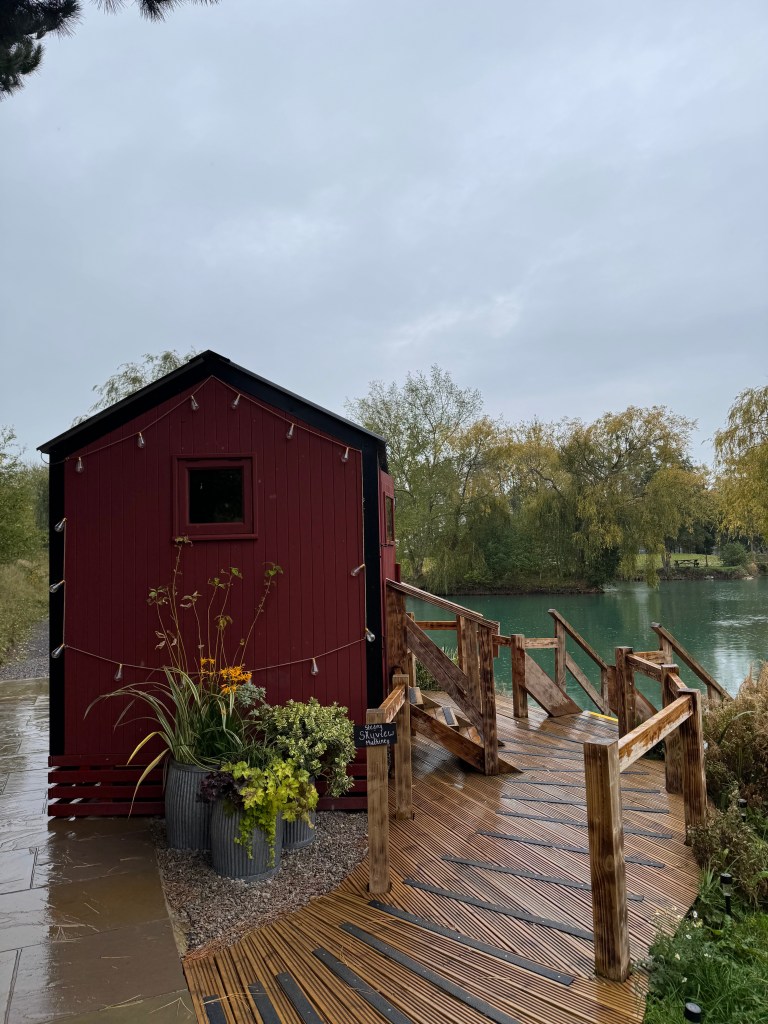
Saunas are popping up all over the UK – quicker than unsolicited social media ads for cat litter trays following your most recent rant to a friend about your neighbour’s cat who keeps using your garden as a toilet. No longer confined to the kind of gyms where the price of the membership implies you’ll receive a complimentary towel on each visit, we’re seeing saunas popping up in wild places – on beaches, or beside lakes – while urban saunas are appearing behind buildings or under viaducts. They have become accessible to more people who can gain the benefits without having to guiltily walk past the treadmills and the swimming pool to get there.
Saunas are part of Scandinavian culture, especially in Finland, where their benefits to wellbeing have been understood for centuries. Nor are they as new to the UK as you might think. Buildings covering holes in the ground, where stones were placed over fires and water poured on to create steam, have been around since the Bronze Age. These “sweat houses”, are thought to have been used for socialising, cooking, childbirth, bathing or cleansing people before religious ceremonies. It is hard to imagine one hot room with so many functions. After a sauna I feel rejuvenated, like a new woman … so perhaps there is something in the idea of purification.
The UK sauna boom seems likely to be related to the increased popularity of cold water swimming. I’ve been dipping my toes into cold water therapy over the past three years, and having a hot sauna to return to afterwards makes the whole experience a lot more enjoyable. The science of sauna use and its health benefits are well established … for both men and women.
With regular sauna bathing in temperatures between 80 and 90 degrees Centigrade, both sexes see improvements in cardiovascular health, with lowered blood pressure, decreased stiffness of the arteries and lowered risk of cardiovascular disease. Optimal increases in heart rate of up to 120 bpm are thought to mimic the effects of a cardio workout. Athletes have long used saunas to help with recovery from exercise, and research shows saunas can have a positive impact for those living with osteoarthritis, rheumatoid arthritis and fibromyalgia, conditions most commonly associated with women. The science on cold water immersion is less clear and further research on the effects for women is required.
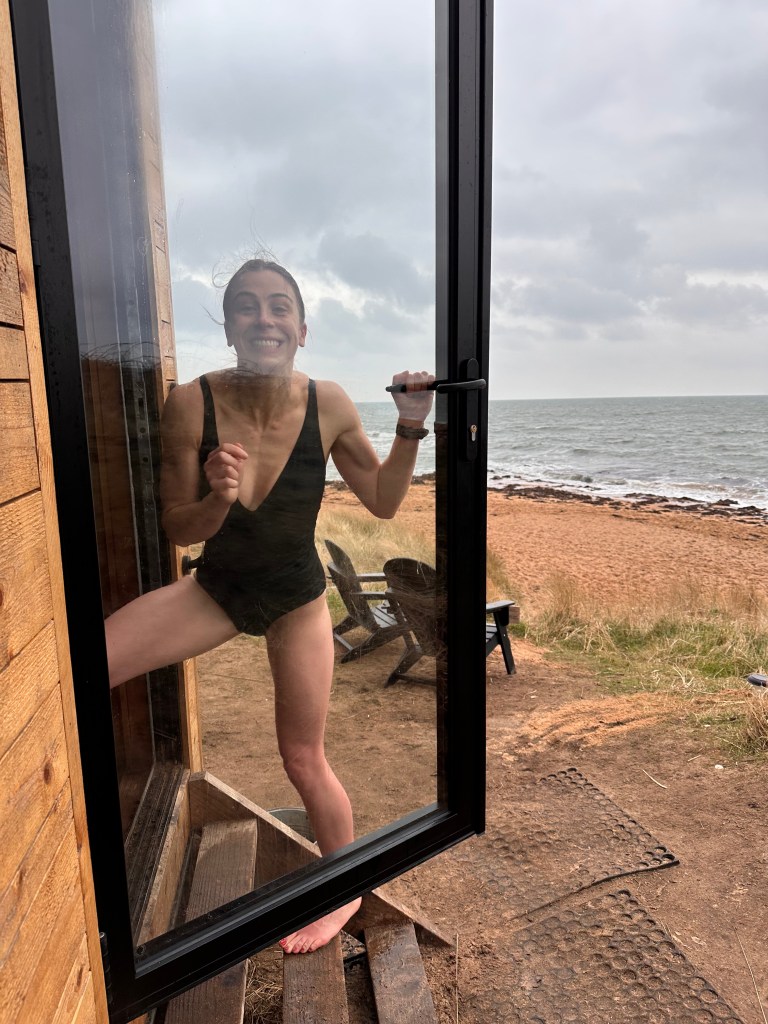
Nonetheless, cold water swimming is still popular with many women. Some benefits are thought to include reduced inflammation and enhanced recovery from training, increased resilience to stress, improvements in mood, circulation, better immune function and an improved ability to burn fat for energy. One paper exploring the perceived impact of cold water swimming on 1,114 women, reported significant reduced psychological symptoms during the menstrual cycle and perimenopause, notably brain fog, anxiety and overall mood. Some research suggests that female hormones are more sensitive to extreme cold temperatures than men’s and immersion in water that is too cold can cause too much stress and result in an inflammatory response, affecting sex hormones. This is thought to be more prevalent during the second half of the menstrual cycle, or luteal phase, with women being more resistant to cold during the first half of their cycle, or follicular phase. Milder water (10-16C ) and for less time can provide the same health benefits to women as men get in colder water. My opinion? Why would we throw ourselves amongst the icebergs when the benefits can be obtained in milder temperatures. If that gets me out of dipping in the North Sea between December and May, I’ll take it and stick to my cool showers instead.
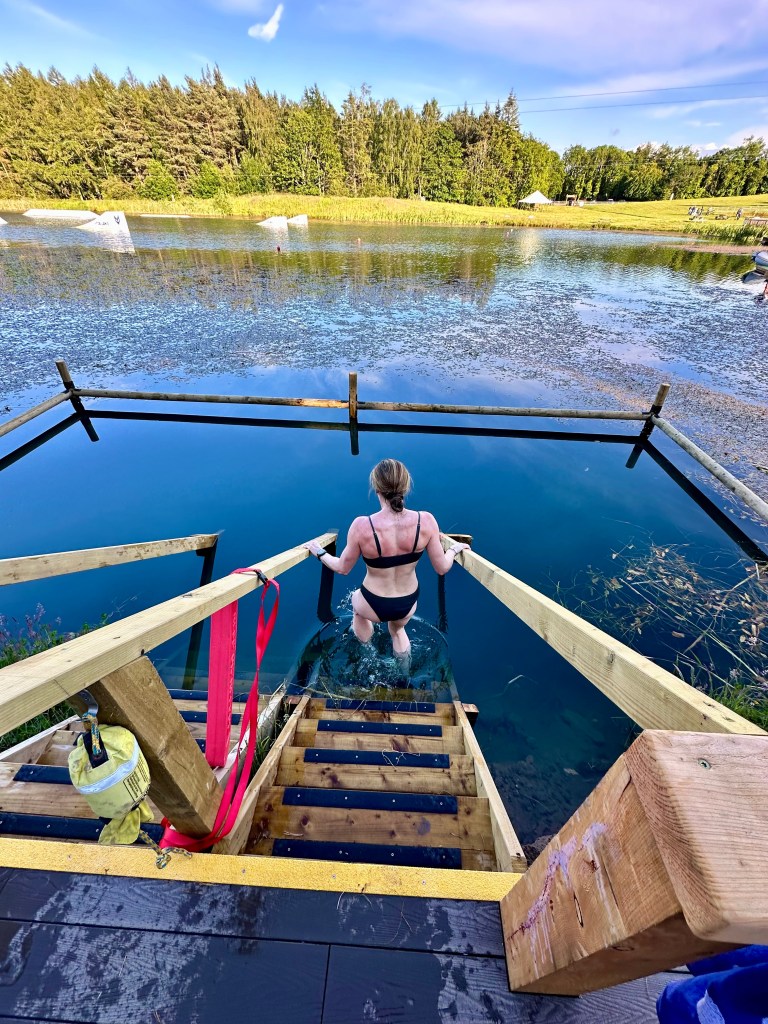
If you’ve not given a sauna and ice bath a go, I suggest you give it a try and you can come to your own conclusions.
Check out my article on eight favourite saunas I’ve visited in the North of England and Scotland here.
References
Greenfield, A. M., Charkoudian, N., & Alba, B. K. (2022). Influences of ovarian hormones on physiological responses to cold in women. Temperature, 9(1), 23–45. https://doi.org/10.1080/23328940.2021.1953688
Knechtle, B., Waśkiewicz, Z., Sousa, C. V., Hill, L., & Nikolaidis, P. T. (2020). Cold Water Swimming-Benefits and Risks: A Narrative Review. International journal of environmental research and public health, 17(23), 8984. https://doi.org/10.3390/ijerph17238984
Podstawski, R., Borysławski, K., Józefacka, N. M., Snarska, J., Hinca, B., Biernat, E., & Podstawska, A. (2024). The influence of extreme thermal stress on the physiological and psychological characteristics of young women who sporadically use the sauna: practical implications for the safe use of the sauna. Frontiers in public health, 11, 1303804. https://doi.org/10.3389/fpubh.2023.1303804
Pound, M., Massey, H., Roseneil, S., Williamson, R., Harper, C. M., Tipton, M., Shawe, J., Felton, M., & Harper, J. C. (2024). How do women feel cold water swimming affects their menstrual and perimenopausal symptoms?. Post reproductive health, 30(1), 11–27. https://doi.org/10.1177/20533691241227100Sun, H., Zhao, Q., Liang, X., He, Y., Li, Y., Yu, J., Ding, J., & Yu, C. (2025). Effects of cold environment exposure on female reproductive health and its regulatory mechanisms. Frontiers in genetics, 16, 1570053. https://doi.org/10.3389/fgene.2025.1570053


 MenoEats
Leave a comment